The world’s largest Hello Kitty Café just opened in Chicago, and it’s not just for kids. It turns out that the cuteness the Hello Kitty brand represents is now part of a cultural movement in the U.S. — and in many parts of the world — for adults of all ages. As a result, now’s the time to lean into product assortments, merchandising and marketing that are light-hearted and whimsical.
Japan’s Kawaii Culture
Where did all this cuteness come from? The trend has its origins in Japan, where “kawaii” culture emphasizes cuteness, childlike innocence, charm and simplicity. Many say it dates back to Sanrio’s creation of Hello Kitty in the 1970s. It’s an aesthetic that’s been popular in Eastern cultures for some time — but only recently began to gain traction with adults in the Western world.
The design style is generally categorized by soft or pastel colors, simple designs, rounded shapes, and if there’s a character involved, features that evoke vulnerability — such as big eyes and small mouths.
Playfulness Feels Powerful
Still not convinced it’s a trend worth following? “With so much heaviness in the world, whimsy feels like a playful escape,” says Etsy Trend Expert Dayna Isom Johnson when describing the ‘World of Whimsy’ section of Etsy’s Spring/Summer 2026 Trend Edit. “Shoppers are embracing what delights them, no explanation needed.”
Besides, many aspects of Asian culture and style are popular right now in the U.S. So it makes sense that Japan’s approach to coping with the world’s strife and uncertainty would be attractive to consumers. The kawaii movement brings not only a childlike playfulness in and of itself, but also often helps people make nostalgic connections to their own childhood.
“Squishy. Silly. Safe. In anxious times, cuteness feels powerful,” explained journalist Jessica Roy, in an article on Yahoo! Life earlier this year.
Related Trends/Themes
The cuteness trend is similar to the coquette aesthetic that’s been making its way through fashion and home décor. While not as simple or character-oriented, coquette style includes soft pastel colors (especially pink), design motifs like bows and hearts, and soft or plush textures.
According to Civic Science, Americans — especially younger consumers — are increasingly interested in soft, nostalgic items such as plush toys, fidgets and weighted blankets that offer moments of comfort and relief. In a survey earlier this year, 22% of respondents said they planned to buy one or more of these products in the next three months.
Products to Support
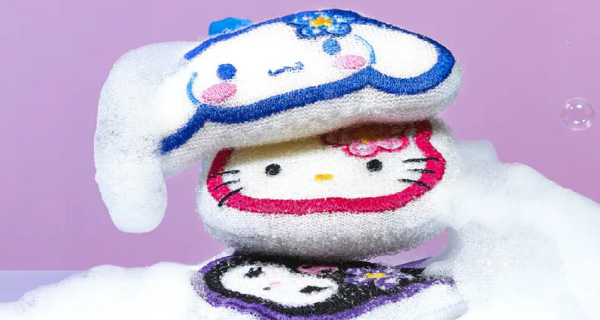
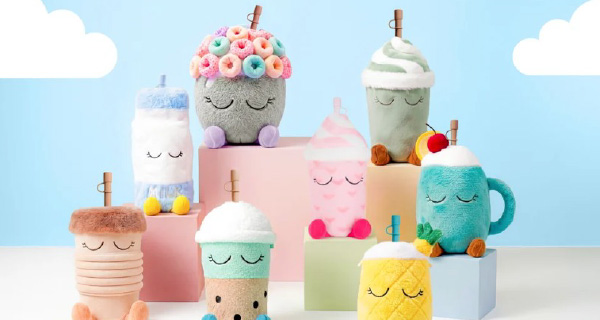
There are several ways home and housewares retailers can lean into the cuteness trend. One is with utilitarian household items outfitted with cute characters and stylings, such as the Hello Kitty dish sponges from Woky Wang pictured below. Another creative example are Asobu’s Fuzzies; they’re soft, plush covers that offer comfort to both the removable stainless steel beverage tumblers nestled inside and the humans using them.
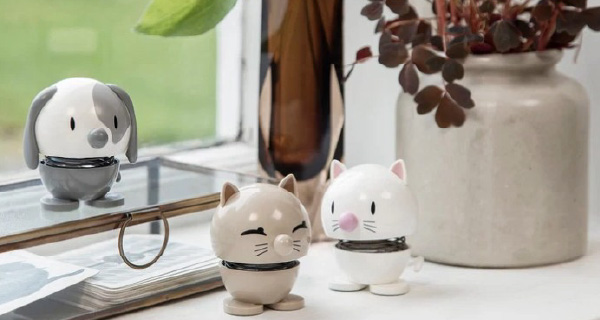
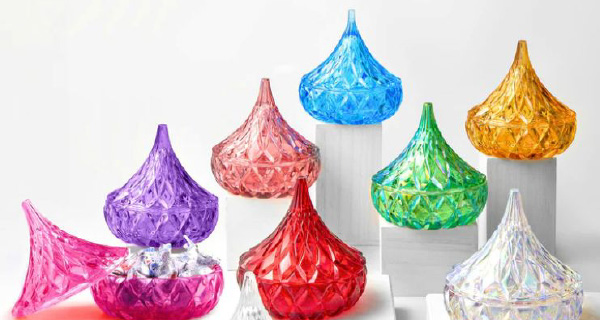
Home décor items can be classically cute — as in the jolly Hoptimist figurines offered by Cribsi — or elegant and refined — as in Godinger’s Hershey’s Kisses Boxes, made with intricate glass stylings in a variety of colors.
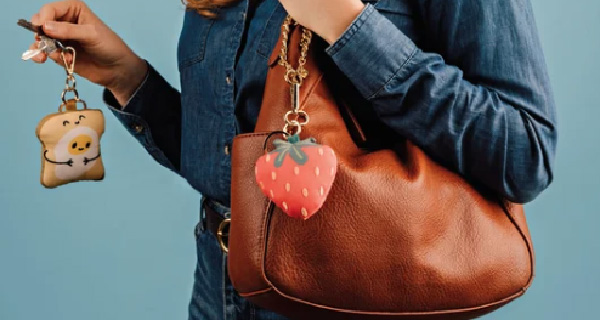
And don’t forget some cute fashion accessories that make excellent impulse buys in home and gift stores. Just two examples: the Berry Sweet and Funny Food Cotton Bag Charms from Danica.
Hello Kitty Dish Sponges from Woky Wang
Fuzzies by Asobu
Hoptimist Figurines from Cribsi
Hershey’s Kisses Boxes from Godinger
Berry Sweet and Funny Food Cotton Bag Charms from Danica